


Stories That Fit the Device, Not the Other Way Around

Today we explore Designing Platform-Native Story Variants Through Affordance-Driven Prototyping, transforming device capabilities into meaningful narrative ingredients rather than afterthought features. By mapping haptics, sensors, notifications, camera, voice, and spatial inputs to character intention and plot stakes, we create moments that feel delightfully inevitable on every platform. Expect practical frameworks, field-tested anecdotes, and prompts that invite you to prototype, measure, learn, and share your discoveries with a curious, supportive community.

Reading the Platform: Affordances That Shape Narrative Moments

Every device hints at natural gestures, patterns, and expectations that quietly teach audiences how to participate. When stories align with those signals, friction melts and attention deepens. We will identify the native cues that invite action, and transform them into narrative rhythms that respect etiquette while confidently bending format. Think tactile suspense through haptics, whispered prompts through notifications, and camera-fueled revelations that feel earned rather than gimmicky.

Prototyping for Discovery, Not Just Validation

Affordance-driven work thrives on short loops that surface hidden risks early. Prototype to learn how a gesture reads emotionally, how latency reshapes pacing, and whether a microinteraction conveys intent. Keep fidelity only as high as your next question requires, and instrument for qualitative signal over vanity metrics. Celebrate discarded experiments; each one narrows uncertainty and sharpens narrative intuition with concrete, repeatable evidence.

Climb the Fidelity Ladder With Purposeful Questions

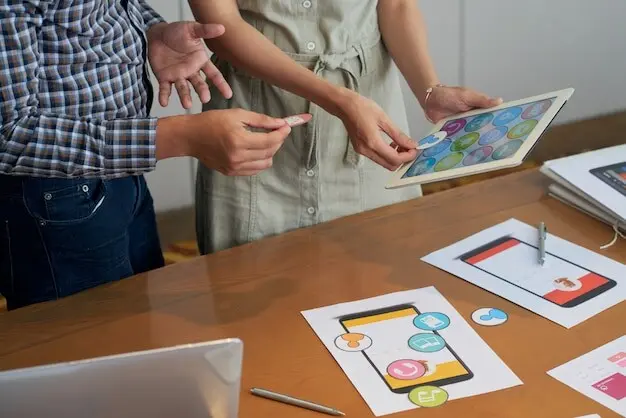
Start with sketches that storyboard intent, graduate to tappable flows that test sequence, then move into coded prototypes where timing, physics, and haptics truly matter. At every step, ask a single sharp question. If the question changes, reset fidelity. This disciplined ladder preserves speed while capturing the felt truth of the interaction, especially when tiny delays rewrite the emotional meaning of a scene.
Wizard-of-Oz to Reveal Expectations Before You Automate

Manually simulate system responses in early sessions to study surprise, confusion, and delight without building complex logic. Pretend to be the push service, the voice assistant, or the adaptive soundtrack. Observe how participants narrate what they believe is happening inside the device. Their stories about the system’s mind guide your design of cues, preventing brittle automation and reinforcing teachable, trustworthy narrative behavior.

Instrument Prototypes Ethically for Insightful Signals

Capture interaction timestamps, retries, backtracks, and abandonment points, then pair numbers with think-aloud notes for context. Avoid dark patterns and honor privacy; log only what you need to answer design questions. A compact analytics schema linked to story beats turns ambiguous critique into actionable next steps, revealing pacing cliffs, comprehension gaps, and moments where a small haptic flourish resolves lingering uncertainty.

Variant Architecture and Content Operations

To deliver platform-native grace, structure content so intent remains stable while realization flexes. Define a canonical beat—motive, clue, turn—then allow presentation to adapt per device. This requires a nimble content model, explicit variant rules, and tooling that makes divergence traceable. Treat changes like code: review, version, and document rationale so future collaborators can sustain coherence without stifling localized brilliance.

Anchor on Canonical Intent, Then Localize Interaction

Write beats using purpose, not pixels: what must the audience learn, feel, or decide now? Map that purpose to each platform’s strongest move, whether swipe, press, voice, or glance. This keeps narrative causality intact while letting affordances express character. The result reads as natively fluent, because you translate meaning into a gesture the device already teaches every day.

Constraint-Driven Branching That Remains Legible

Establish clear rules for when and why a variant exists: sensor availability, input modality, screen density, or attention context. Document branching with a compact manifest showing triggers and fallbacks. This legibility curbs entropy, prevents accidental drift, and empowers teams to reason about tradeoffs. When the radio fails, the telegram arrives; when sensors vanish, the dialogue rephrases cleanly without breaking continuity.

Operationalize Versions With Source Control for Language

Store dialogue, copy, sound cues, and interaction notes in a repository with diffs, reviews, and tags. Link commits to research findings and performance snapshots. Writers, designers, and engineers gain a shared timeline of decisions, making rollbacks safer and critiques more precise. A humble changelog becomes institutional memory, enabling sustainable scale across devices and release cycles without diluting voice.

Voice, Touch, and Space: Modal Design of Scenes

Different modalities foreground different social contracts. Voice feels intimate and conversational, touch feels embodied and immediate, spatial cues feel environmental and ambient. Calibrating tone, timing, and consent across these contexts transforms interactions into credible performances. Design rehearsals around microphone confidence, thumb comfort, and head-movement tolerance, ensuring each scene plays naturally, respects boundaries, and harmonizes with the platform’s everyday rituals.

Composing for Assistants and Hands-Free Moments

Write prompts that anticipate hesitation, noise, and partial comprehension. Offer graceful confirmations and concise re-asks without sounding robotic. Vary prosody with pacing and brief sonic stingers to signal state changes. In homes and cars, politeness and brevity reduce cognitive load, while optional elaboration rewards curiosity. This balance sustains momentum and dignity when the audience cannot glance, scroll, or tap for reassurance.

Designing Touch Microinteractions With Narrative Weight

Use press depth, drag resistance, and micro-haptics to embody effort, discovery, or doubt. A firmer press can dramatize commitment; a lighter buzz can hint at secrets nearby. Calibrate durations so feedback reads as intention, not error. Pair motion easing with story stakes, revealing urgency through acceleration. Consistency earns trust, enabling bolder expressive moments when the plot demands a memorable flourish.

Spatial and Wearable Contexts That Whisper, Not Shout

On watches and headsets, attention is scarce and posture varies. Prefer glances, subtle taps, and peripheral cues that respect surroundings. Design scenes that complete in seconds, with elegant handoffs to phone or desktop for depth. Ambient storytelling shines when it amplifies place without commandeering it, offering lightweight hints that blossom into richer sequences only when the audience actively leans in.

Evidence-Driven Iteration and Ethical Metrics

Measure what helps people understand, decide, and feel—not merely what keeps them tapping. Align metrics with narrative goals: clarity, confidence, cumulative delight, and respectful pacing. Pair cohort charts with diary quotes, and schedule cool-down windows that protect rest. When numbers conflict with human well-being, adjust techniques, not morals. The longest arc is trust, and trusted stories travel far.

Shipping Confidently and Growing a Community

A thoughtful release treats rollout as narrative too: tease capability, invite participation, and celebrate learning. Stage launches with kill switches and telemetry, prepare compassionate support scripts, and plan follow-up chapters informed by data and letters from real people. Share behind-the-scenes prototypes, invite remixing, and encourage critiques. Community energy becomes your renewable engine for continuous, platform-fluent invention.
Miraxaridavo
Privacy Overview

This website uses cookies so that we can provide you with the best user experience possible. Cookie information is stored in your browser and performs functions such as recognising you when you return to our website and helping our team to understand which sections of the website you find most interesting and useful.